After months of grassroots mobilization, capacity building, and direct advocacy, women garment workers in Karnataka State have made significant strides toward justice.
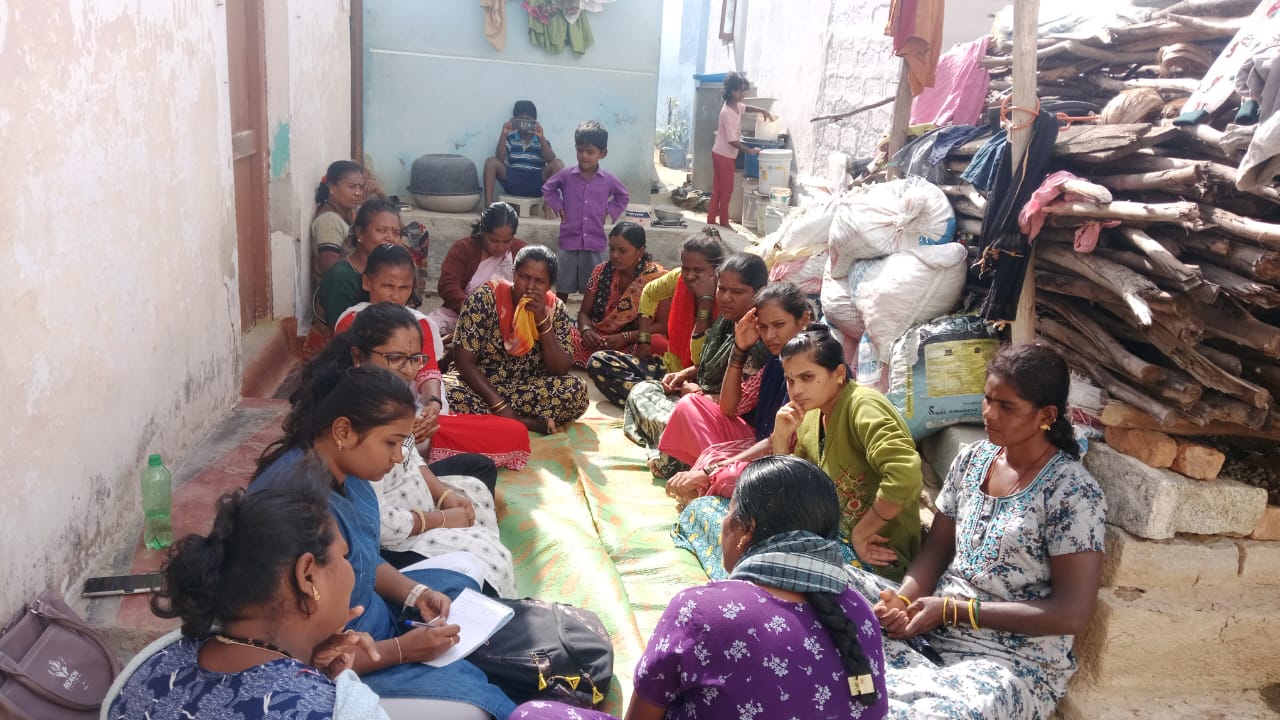
Last year, we shared the story of women garment workers in Karnataka, India, who, with the support of FGHR grantee partners like Rural Environment Awareness Community Help (REACH), are organizing to overcome injustices in one of the world’s largest clothing industries.
India’s sprawling textile and garment sector employs more than 45 million people. In 2025, it produced an estimated $36 billion in exports. But workers in the poorly regulated industry are enormously vulnerable to exploitation. Women and young people especially, who rely on informal work to make a living, are subject to unsafe working conditions, rampant wage theft, and widespread sexual harassment, with little education about or access to their rights and entitlements.
Now, after months of grassroots mobilization, capacity building, and direct advocacy by worker leaders, we’re excited to share that their voices are finally being heard—and their concerns are being addressed.
Karnataka State is known as one of India’s garment capitals. By government estimates, the state’s garment sector employs 6 million people who produce 20 percent of the country’s ready-to-wear clothing. It’s also a leading producer of silk, wool, cotton, and other textiles.
But the massive industry has been marred by persistent exploitation and buffeted by economic instability. In 2021, the Worker Rights Consortium reported that more than 400,000 garment workers in Karnataka had not been paid the legal minimum wage for over a year. More recently, conflict between the United States and Iran has sent shock waves throughout the industry. Rising transport costs and logistical disruptions have left entire shipments stranded, reducing exports and undermining the livelihoods of local workers.
Over the last year and a half, the Fund for Global Human Rights (FGHR) has supported REACH and other grantee partners to organize women garment workers in rural Karnataka. Through a long-term, trust-based approach, activists have helped these workers navigate this crisis by mobilizing collectively to challenge injustice and advocate for their communities’ rights.
Initially, many garment workers feared retribution for openly discussing the mistreatment and malpractice they face. But rather than speaking out on behalf of garment workers, REACH’s focus has been on developing leadership among the community so they can advocate for themselves. Through training modules, mentorship, and participatory community education, organizers from REACH have helped garment workers understand their legal labor rights and build their confidence and capacity to stand up for them.
“Through these trainings, I got the confidence that I can survive by finding jobs,” says one garment worker from Kolar district. “The factories threaten but now I know they will not close the factory, and I can find another and survive.”
“They trained us and built our networks with officials,” says another. “Now, we can even help our friends and fellow workers.”
Equipped with these new skills and the confidence to represent themselves, trained worker leaders from Karnataka have put their advocacy plans into action.
At a meeting earlier this year with Karnataka’s Labor Department, worker representatives raised key concerns including unsafe working conditions, hazardous health impacts, and the long-overdue need to raise their minimum wage. Supported by data, worker testimonies, and carefully gathered documentation, their presentation painted an unflinching picture of the challenges faced by women garment workers in districts across Karnataka.
“We used to see Vidhana Soudha [the state government administrative headquarters in Bangalore] from outside. Never had imagined going inside and have the meeting with the officials,” says a worker leader from Tumkur district. “After this meeting, I learnt that we can get our issues resolved by discussing with the officials. It’s not necessary that we always negotiate with the factory management and keep fearing of getting thrown out of the job.”
The worker leaders’ evidence was irrefutable. Since their presentation, the Labor Department has committed to issuing a new order that will address major policy gaps including wages, workplace safety, and workers’ health. And in response to a separate petition, the State High Court has ordered the government to finally raise the minimum wage for all garment industry workers—including retrospective payments and interest.
There is still considerable work to be done to reform Karnataka’s exploitative garment industry. Many of the workers involved are still worried that they will be singled out for their organizing. Sustaining these gains will require continued support to worker leaders, ongoing engagement with government institutions, and strengthened collectives that can continue to advocate for labor rights.
But their advocacy has shown what is possible when funders meet workers where they are: a stronger, more inclusive labor rights movement that is led by the workers themselves. What began with efforts to educate workers about their basic rights has become an inspiring testament to the tenacity and power of grassroots organizing.
“I feel happy and proud when I reflect on my empowerment journey over the last few months,” says one worker leader from Haveri district. “I learnt that we ourselves should stand up and raise our voices for our problems, only by moving ahead, we can get what we feel we should.”