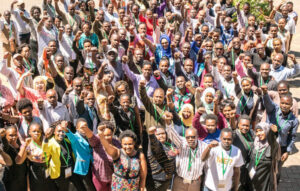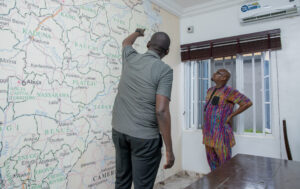

Open civic space is the beating heart of democracy.
But in countries around the world, our fundamental rights—to assembly, association, and free expression—are under attack. States are using a common set of repressive tools, tactics, and technologies to consolidate control and criminalize civil society under the guise of national security.
The Fund for Global Human Rights works alongside grantee partners and allies at the forefront of a global effort to push back against authoritarian governments and corporations restricting civic space. Together, we defend the right to stand up, speak out, and create change.
How We Build Civic Power

Disrupting the Security Playbook
State and corporate actors rely on a toolkit of repressive tactics and cutting-edge technologies to persecute activists and stifle civic space. We resource activist-led efforts to document, expose, and counter this dangerous playbook.

Reforming Repressive Systems
Hostile governments pass restrictive laws and misuse national security measures to centralize power and criminalize activism. We give human rights movements the support they need to gradually dismantle these coercive power structures.

Transforming the Security Paradigm
Demagogues and authoritarian governments frame activism as a security threat to justify their crackdowns. We invest in groups building popular support for alternative ideas, narratives, and models that center thriving civic space as an essential part of healthy, secure societies.

Activating Collective Power
Safeguarding civic space requires a broad-based coalition—from activists and funders to artists and journalists. We work closely with grantee partners and peer organizations to develop collaborative networks based on solidarity and collective power.
What Is Civic Space?
Civic space is under attack—but what does that actually mean? Since 2015, our Enabling Environment for Human Rights Defenders Program has helped activists push back against restrictions on their work and threats to their safety. Program Director James Savage and Program Officer Lydia Cocom explain what civic space is, why it’s so important for democracy, and how we can help activists defend it.