
Across Latin America, LGBTQ+ activists are working for equality for their communities and standing up for democratic freedoms.
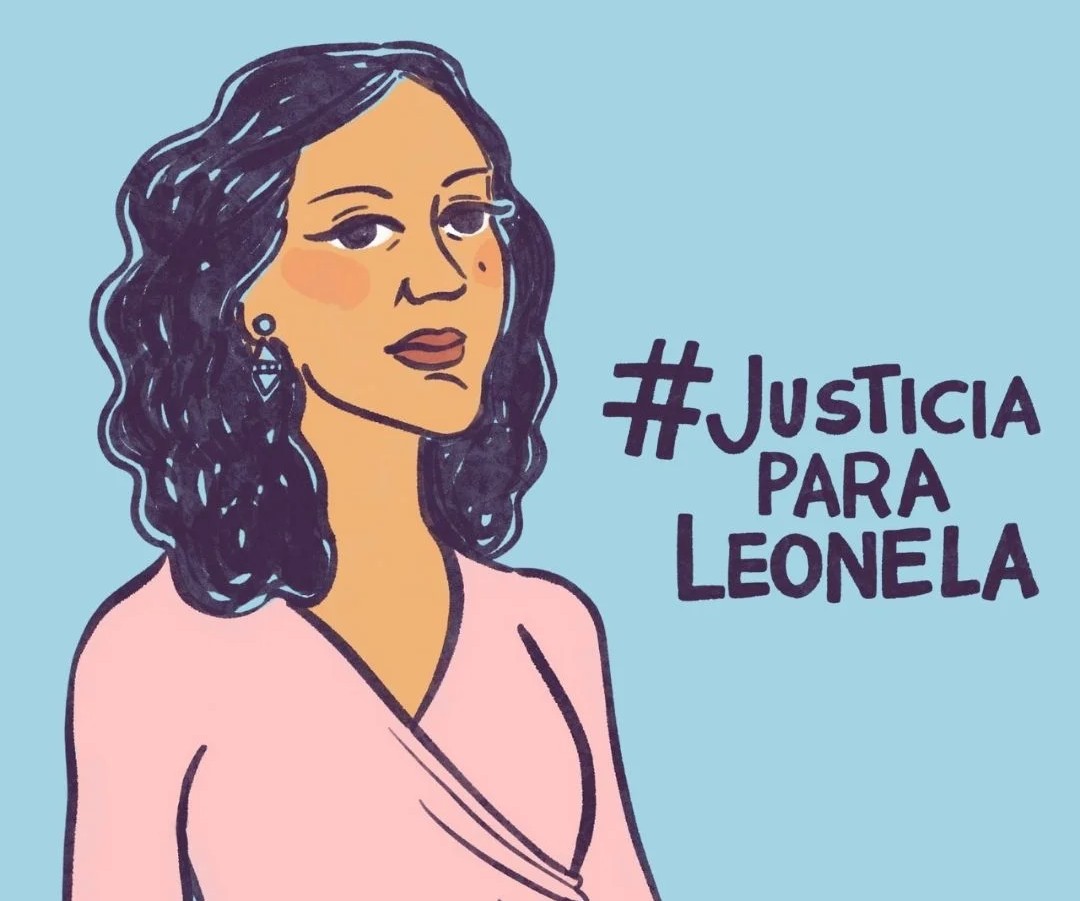
Early the morning of September 7, 2004, the body of Leonela Zelaya, a trans woman and sex worker living in Tegucigalpa, Honduras, was discovered on the street. She was just 34 years old.
It took 14 years for her murder to be investigated. The press covered her story only briefly and with a sensational spin. In their documentation, police refused to acknowledge her chosen name or gender identity, despite knowing who she was. Less than a month before her death, Leonela had been detained by police and beaten.
For more than a decade, longtime Fund for Global Human Rights (FGHR) grantee partner Cattrachas pursued justice for Leonela, helping bring her case to the Inter-American Court of Human Rights. The group monitors and analyzes data and trends around violence and hate speech targeting LGBTQ+ people in Honduras to develop evidence-backed advocacy and strategic litigation.
While LGBTQ+ communities have made critical inroads in Latin America—more than half of countries have passed marriage equality laws—they continue to face deeply rooted patriarchal cultures and rising support for far-right movements across the region.
These compounding factors pose significant challenges for activists in Latin America, as governments step back from prosecuting violence against LGBTQ+ people, close offices dedicated to gender justice, and enact barriers to further legislative wins. They also have deadly consequences: according to the Trans Murder Monitoring Report, at least 281 trans and gender-diverse people were killed globally between October 2024 and September 2025. More than two-thirds were in Latin America and the Caribbean.
LGBTQ+ activists and allies worldwide are facing similar hurdles. From the United States and United Kingdom to Ghana and India, a backlash to LGBTQ+ rights has taken hold, materializing as hateful rhetoric and new laws seeking to roll back gains, impede LGBTQ+ advocacy, and criminalize trans people’s existence. One recent analysis found that LGBTQ+ rights was the most targeted area of activism in 2025. Activists are experiencing harassment, physical abuse, surveillance, and arrest while weathering funding cuts and a flood of misinformation aiming to dehumanize anyone who doesn’t conform to traditional gender norms.
These anti-LGBTQ+ efforts are well funded by organizations ranging from conservative groups to religious institutions, think tanks, and corporations. There is also a strong link to the rise in authoritarianism, in which biases and inequalities are exploited to chip away at democracy. This places LGBTQ+ people on the front lines of both the pursuit of equality and the fight to defend democracy.
With the support of FGHR and fellow allies, LGBTQ+ activists are boldly stepping up in defense of democratic freedoms, their own rights, and justice for other marginalized communities. FGHR is proud to support these efforts in every region where we work with flexible funding, connections to other rights movements, and support for training and security. With courage and creativity, the LGBTQ+ activists we fund are forming powerful resistance to hateful discourse, fighting discriminatory bills, and asserting their humanity, resistance, and joy.
In Latin America, FGHR supports groups employing tactics ranging from documentation to strategic litigation, art and performance, journalism, and digital storytelling. These activists tackle the divisive rhetoric funded by far-right interests and entrenched impunity that breeds or even encourages violations of LGBTQ+ rights, as well as attacks on other marginalized communities and fundamental freedoms.
Says Ricardo González Bernal, FGHR program director for Latin America, “We are determined to enrich the human rights movement as a whole with the experience and tenacity of activists and groups that have worked on specific issues related to diversity and the LGBTQ+ community. Today more than ever, we must break down the silos within the ecosystem so that creativity, knowledge, and resilience can reinvigorate movements and alliances throughout the region.”
This strategy includes challenging hate and misinformation where it often foments: on social media. Activists are using these same online platforms to bolster links to human rights at large. Agencia Presentes, one of the newest grantee partners of FGHR, is an independent media group working to tell deeper, more accurate stories about LGBTQ+ people, migrants, Indigenous peoples, and other communities whose perspectives are too often ignored in favor of political talking points.
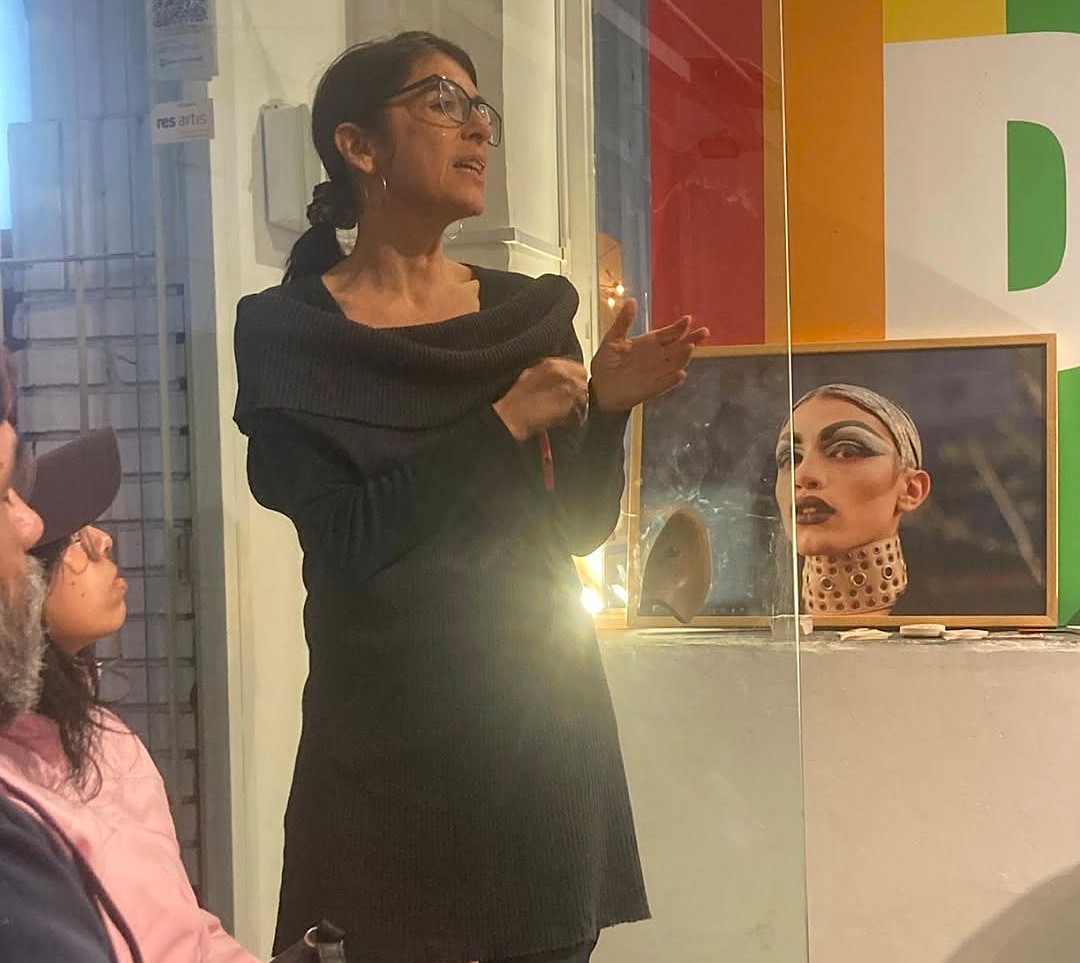
“Small newsrooms share [violations] when others don’t publish them, can expose corruption and abuse and make sure communities can share their stories safely—be expressed in public life. This and defending a free press and human rights are a deeply interconnected task,” says Milena Pafundi, the coordinator of Agencia Presentes.
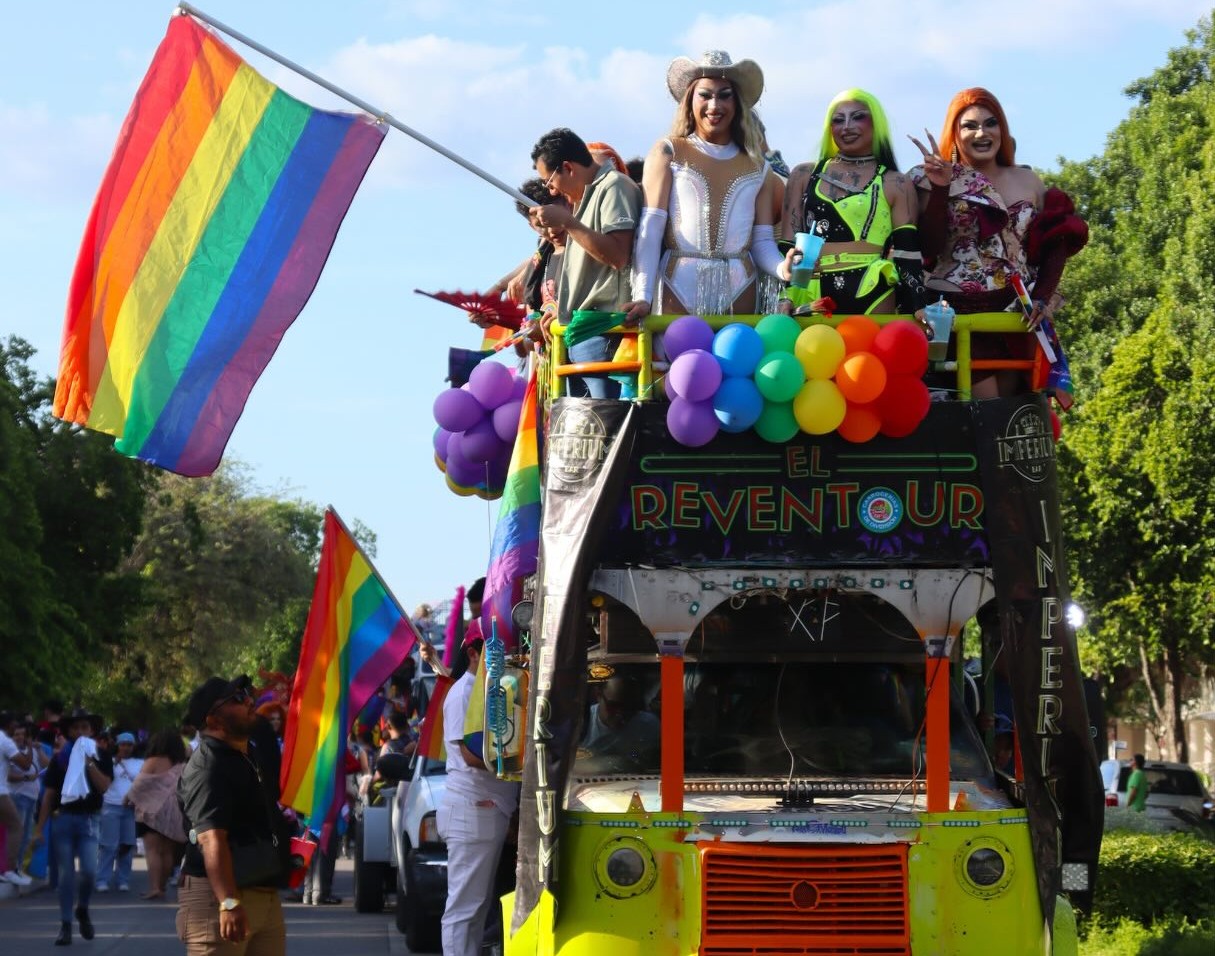
Recent stories have examined the realities of trans people in El Salvador and spotlighted anti-fascist collaborations during Pride in Rio de Janeiro. FGHR funding is helping them explore how young adults engage with these issues and opportunities to reshape narratives about LGBTQ+ people and inspire action and connection to the broader human rights movement.
By investing in long-term, innovative work, FGHR aims to strengthen LGBTQ+ activism so it can resist setbacks and build on wins for durable systemic change.
For Cattrachas, this approach culminated in January 2026, when the Inter-American Court of Human Rights issued its ruling in Leonela Zelaya’s case. The court found the state of Honduras responsible for multiple violations against Leonela—including her illegal arrest, the refusal to recognize her gender identity after her death, and their lack of due diligence in investigating her case.
Indyra Mendoza, director of Cattrachas, responded in a press release, saying, “For LGBTI people who have survived structural and systemic violence in Honduras, and who have endured violent deaths, extrajudicial executions, arbitrary detentions, torture, discrimination, prejudice, stigmatization, and violence, this Judgment strengthens our determination to continue fighting, because our most meaningful form of reparation is non-repetition.”
FGHR is proud to stand with LGBTQ+ activists and groups around the world. You can help drive their courageous fight for dignity, equality, and freedom for all.