
With the right support, activists in exile can reclaim their independence, refocus their efforts, and forge even stronger movements.
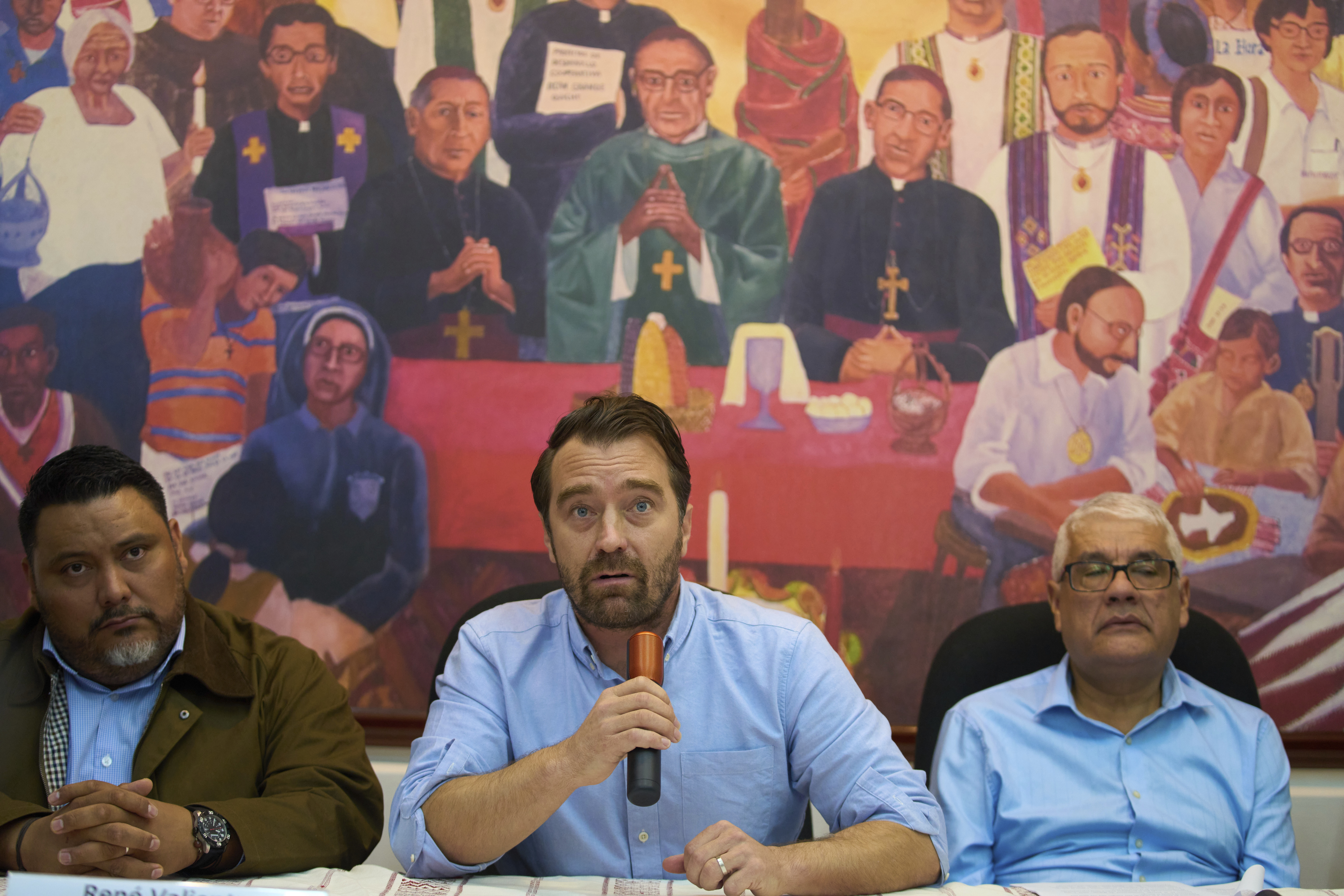
In July 2025, the prominent human rights organization Cristosal made an announcement they had long resisted: after 25 years fighting corruption and impunity in El Salvador, they had been forced to suspend operations in the country. For the safety of their staff, they would relocate to continue their work in exile.
Cristosal’s decision was sobering but not surprising. Emboldened by his partnership with the US government, President Nayib Bukele has been brazenly cracking down on civic space in El Salvador. The government has suspended basic legal provisions like due process, transparency, and presumption of innocence under a prolonged state of emergency. In May, authorities arrested Ruth Lopéz, head of Cristosal’s anti-corruption unit, on spurious charges of embezzling state funds. Then, just days later, the country’s Legislative Assembly passed a far-reaching “foreign agents” law that gives the government expansive powers to monitor, sanction, and dissolve civil society organizations.
For years, Cristosal’s staff and leadership were regularly harassed by agents of the Salvadoran state. They lived in a manufactured environment of terror—surveilled, followed home, and intimidated for their work promoting human rights. Under threat and with no access to recourse from the captured Salvadoran legal system, exile became the only way to keep their staff safe.
Out of Danger—Into Exile
Bukele’s open embrace of oppression is part of a larger global trend. In countries around the world, authoritarianism is surging.
The Salvadoran government’s assault on civil society bears all the hallmarks of the security playbook—a common set of repressive tools and tactics used by authoritarian leaders to stifle opposition and consolidate control. This includes the use of arbitrary arrest, the passage of restrictive laws on foreign funding, and the systematic persecution of journalists, anti-corruption activists, and human rights defenders. Similar strategies have been deployed to devastating effect in Hungary, Russia, Kenya, and the Philippines, among many others.
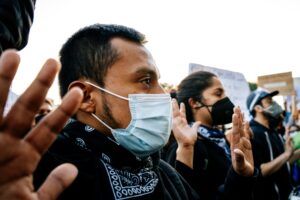
One of the most potent defenses against rampant repression is survival itself—of movements, ideas, and activists. For human rights defenders facing state-sanctioned persecution, this sometimes means entering into exile in another country.
But exile, says Cristosal’s executive director, Noah Bullock, is a potent form of political violence. In the hands of a ruthless authoritarian regime, it is a cheap, effective, and chilling way to dismantle opposition and break the spirits of civil society.
Going into exile is an enormously challenging and often traumatic experience. Some activists don’t even have time to pack a bag before they are forced to leave behind their friends, loved ones, and homes. Families are often severed, separated by borders. Emergency evacuations facilitated by international allies rarely offer support beyond the point of safety.
At the Fund for Global Human Rights, we’ve spent nearly five years working to understand how we can better support activists in exile through our security initiative in Latin America—one of the most dangerous regions for human rights defenders. We’ve witnessed firsthand how displaced activists need ongoing support and solidarity to find shelter, make a living, and hopefully continue organizing in a new country. We’ve seen how consequential community is for activists in exile. Most importantly, we’ve learned that protection work that focuses only on emergency evacuations fails to create lasting, sustainable, and, above all, dignified solutions for activists in exile.
Over the last year, we’ve channeled those learnings into our seed funding for Casa Centroamérica—a community hub for exiled activists and political refugees living in Mexico City.
From the moment exiled human rights defenders reach Mexico City, Casa Centroamérica provides them with a safe space to access support, strengthen their networks, and find ways to collectively grow their power. Through events, workshops, cultural activities, cross-regional dialogues, and access to community, Casa Centroamérica is organizing the diaspora of exiled activists around the central premise of their space: here, no one is a foreigner.
Reviving Mexico’s Historic Networks of Solidarity
Gabriel Wer, one of Casa Centroamérica’s founders, was forced to leave his home in Guatemala in 2022. Wer’s role in organizing two massive anti-corruption campaigns—Renuncia Ya and Justicia Ya—had attracted the attention of the right-wing government and its allies. Trolls threatened him online and doxxed his family’s information. When Wer learned that the attorney general was preparing to target him, he left for Mexico under the guise of a three-month leadership training.
“One of the first things we did in Casa Centroamérica was research on exile from Central America to Mexico, trying to get a sense of where we were historically,” Wer said recently on the Strength & Solidarity podcast. “It’s something that’s marked the region historically and culturally, socially, politically . . . a lot of what we have experienced as Central Americans has exile written all over it.”
Mexico’s proud tradition as a home for exiled activists dates back more than a hundred years. Beginning in the early twentieth century, left- and right-leaning governments alike welcomed political refugees fleeing persecution. Thousands of Spanish Republicans settled in Mexico after Francisco Franco’s victory in the Spanish Civil War. Soviet revolutionary Leon Trotsky spent more than three years in Coyoacán until his assassination in 1940. Americans crossed their southern border to escape McCarthyism and the so-called Red Scare in the 1940s and ’50s. Throughout the 1970s and ’80s, Chileans, Uruguayans, and Argentineans fled brutal military dictatorships to seek safety in Mexico.
Since 2018, Mexico has experienced another wave of political refugees from Central America. Violent crackdowns in Nicaragua under the government’s explicit “exile, jail, or death” policy forced student leaders and other dissidents to flee to Mexico. Anti-corruption figures from Guatemala, including activists, lawyers, and judges, sought asylum in their northern neighbor after former president Jimmy Morales dismantled the UN-backed International Commission Against Impunity in Guatemala (CICIG). Land rights defenders from Honduras—one of the world’s deadliest countries for environmental activism—have found safety in Mexico. Now, under Bukele’s repressive regime, Salvadoran human rights defenders are joining their regional allies in exile.

These Central American activists are reviving Mexico’s historic networks of solidarity. In less than a year, Casa Centroamérica has become a central space for those who have fled authoritarianism and persecution in their home countries to mobilize, organize, and continue their vital work.
“I really believe that I’m here because of solidarity and people just opening their homes, their hearts and trusting me with carrying on with the work and knowing that this is a collective effort too,” says Wer. “That gives me more energy to carry on.”
Building Community, Strengthening Resolve
Building community among activists in exile is an essential part of what human rights practitioners call a continuum of protection. Emergency evacuation, while sometimes necessary, is only the first step. Ensuring that activists can live with dignity in another country requires ongoing support and solidarity. The initial stages of integration in the first few months, says Wer, are especially critical.
Casa Centroamérica’s approach demonstrates how the warmth of a supportive community can create new horizons of hope—for exiled activists, for their families, and for the causes they have risked their lives to defend.
“When you have to leave your country, you miss your family and that grief—you miss everything,” says Guatemalan activist and political scientist Bettina Amaya, another of Casa Centroamérica’s founders. “We felt that community can be healing. . . . We needed to open a place where the community can be, can gather, can speak, can eat, can dance, and, you know, to get together, speak about our struggles, pains, and joys so we can be strong together.”
For human rights defenders forced to relocate, exile may seem like a life sentence. But through community, it can also be a catalyst for collective action—fostering solidarity and purpose among those targeted. With the right kind of support from funders and allies, activists in exile can reclaim their lives, refocus their efforts, and forge even stronger, more sustainable movements.
As the staff of Cristosal continue their work outside of El Salvador, they too are experiencing the grief and violence of exile. But they won’t be alone. They’ll have these powerful networks of solidarity: spaces where persecuted activists from across the region are coming together to regroup and reimagine the way forward.
Sign up to our newsletter
Add some impact to your inbox.
By submitting this form, you accept that your data will be stored and processed in line with our Privacy Policy.