
We supported human rights activists in Syria through years of conflict and repression. Today, they are the roots of a growing movement.
When the Fund for Global Human Rights (FGHR) began quietly supporting frontline human rights groups in Syria in 2021, our primary goal was clear: ensure that they survived.
By then, the country’s devastating civil war had been raging for a decade. As many as 580,000 people were estimated to have been killed, including more than 306,000 civilians. Another 6.7 million had been displaced internally, and 5.5 million more had been forced to flee the country.
Human rights abuses—including arbitrary arrest, torture, and enforced disappearances—were rampant under the totalitarian rule of Bashar al-Assad’s regime. Militant groups violently enforced control of their patchwork territories. And military offenses led or supported by international forces—including from Russia, Turkey, and the United States—resulted in the deaths and displacement of countless civilians.
Grassroots activists, whether operating in regime-controlled Damascus or on the front lines of conflict, faced incalculable risks and compounding needs. The delivery of urgent aid was complicated by international sanctions, complex networks of alliances, and competing interests. For funders and allies, almost nowhere demanded greater attention and resources—or presented more operational challenges.
At the time, our work was focused entirely on sustaining the country’s embattled civil society so that it could support communities affected by the war and work toward a lasting peace. Then, in December 2024, everything changed.
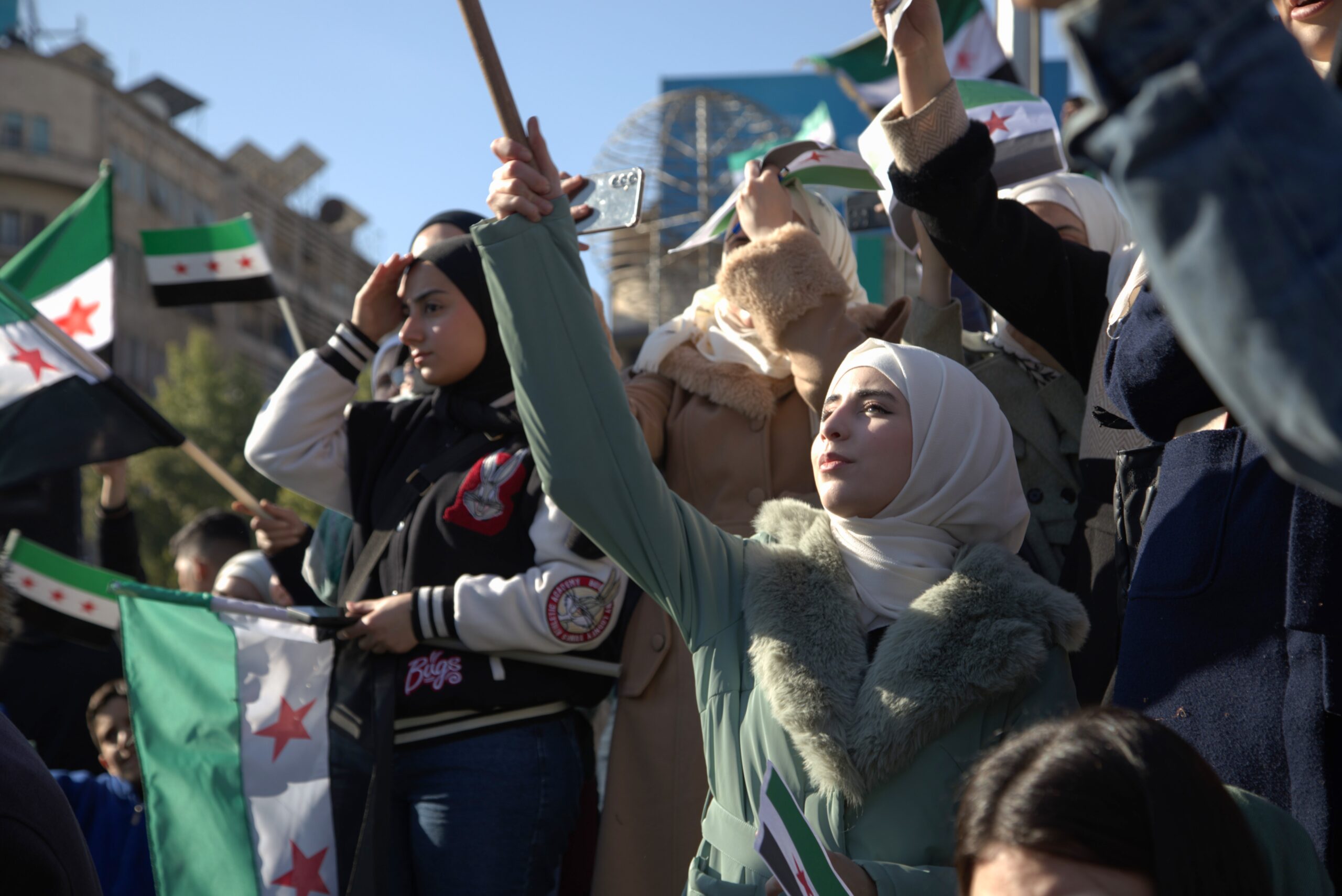
The sudden defeat of Assad’s regime shocked the world. Today, Syria stands between the collapse of one centralized government and the entrenchment of another. President Ahmed al-Sharaa—the former commander of Islamist rebel group Hay’at Tahrir al-Sham (HTS)—has consolidated power by maintaining security and courting international legitimacy. Credible accusations have been made, however, of human rights violations in HTS-controlled territory. For now, the country remains deeply fragmented along sectarian, ethnic, and political lines.
Under these precarious conditions, grassroots groups are beginning to mobilize movements for human rights, democratic governance, and community-led justice. After decades of conflict and repression, Syrian civil society is reorganizing and reemerging.
Community Assistance Becomes Collective Action
Hope Makers (HOPEM) was started by community activists in the aftermath of a violent regime’s defeat. But their story began years before the Assad government collapsed—in the city of Raqqa.
Raqqa rose to international infamy in 2014 as the de facto capital of the so-called Islamic State, or ISIS. For more than three years, civilians in Raqqa—especially women, children, and ethnic and religious minority groups—suffered immensely under the group’s brutal theocratic rule. When the last ISIS fighters were expelled in October 2017 by Kurdish and Syrian rebel groups with international backing, months of fighting and bombardment had left Raqqa in ruins. Amnesty International called it “the most destroyed city in modern times.”
As the global coalition declared victory against ISIS, international media attention moved on from Raqqa. But years of conflict and repression had permanently scarred the city—from landmines hidden in abandoned homes to the physical and psychological damage inflicted on people by unspeakable atrocities.
Community activists founded HOPEM to address the multifaceted challenges of the aftermath. They began by providing comprehensive medical and psychological support to war victims, helping survivors reintegrate into society. Their work, especially promoting the rights and leadership of people with disabilities, made HOPEM a vital lifeline for communities affected by the conflict.
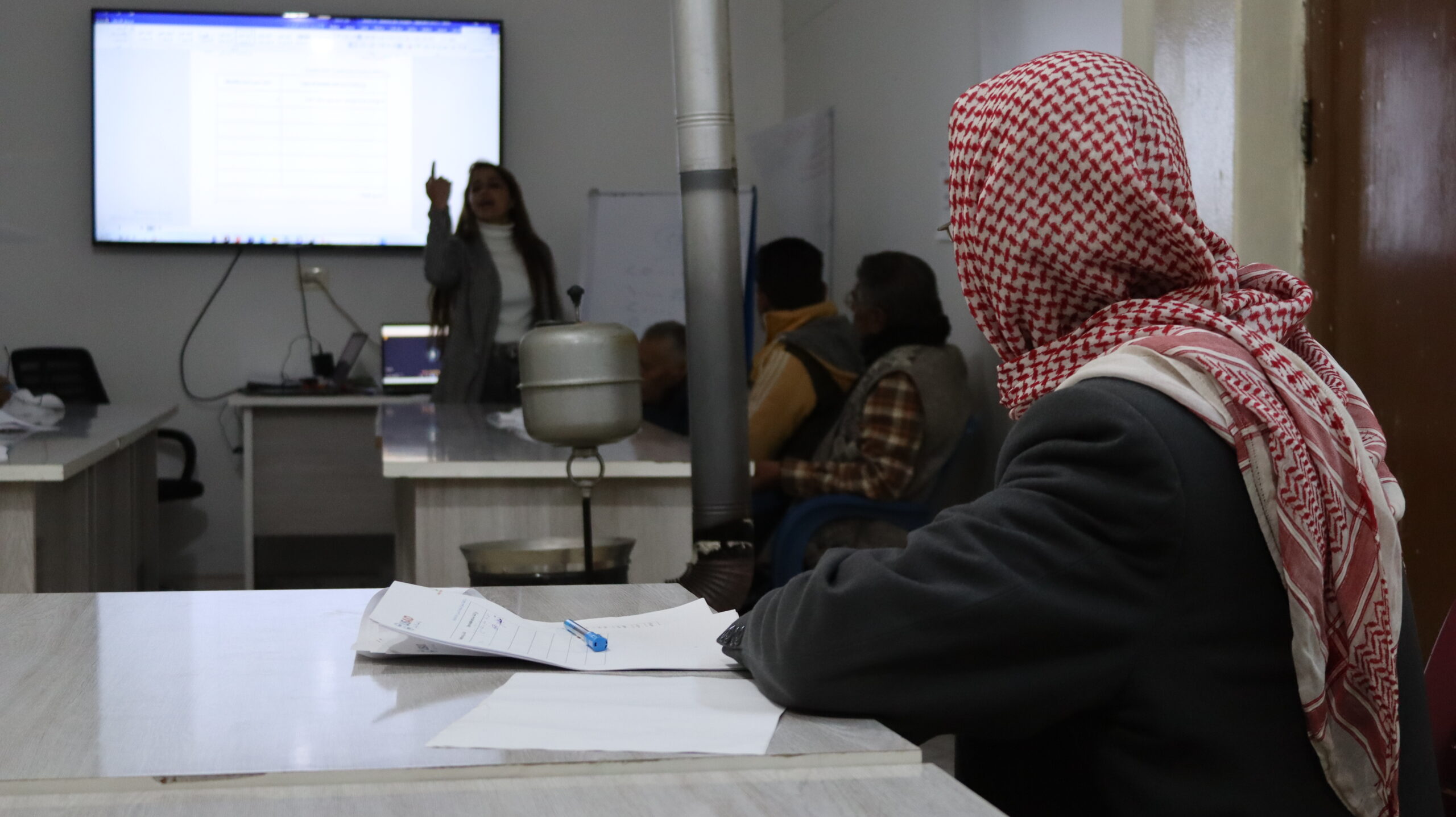
But HOPEM’s collaborative approach also created critical space for more community-led organizations to regroup and rebuild. Over the last year, HOPEM has trained other grassroots groups in northeast Syria—fostering solidarity, trust, and capacity across local civil society.
That long-term vision has already paid off. When the Assad regime collapsed, a sudden influx of new refugees strained relations between Kurdish and Arab communities in Raqqa. In rapid response, HOPEM mobilized grassroots groups to host refugees, deliver aid, and prevent tensions from escalating into violence.
HOPEM emerged from the devastation of the fight against ISIS as a critical source for care and assistance. But by building a robust movement for equality, justice, and human rights across northeast Syria, they have not only helped mobilize communities to heal from that conflict—they have helped spark collective action to stop the next one.
A Movement Built by Collaboration
Across Syria, different frontline groups have had to navigate the shifting rules and risks of life under countless factions, including the Assad regime, the Free Syrian Army, Kurdish militias, and international forces. Now, they are learning how to operate under a new authority.
Syria’s central government includes many former members of HTS—the Islamist rebel group led by President al-Sharaa. HTS formally disbanded and, importantly, the new government has worked to distance itself from that identity. But substantial concerns remain about political freedom and civil liberties in post-Assad Syria.
Qatra for Humanity (FANARAT) understands better than anyone how to organize communities under restrictive Islamist rule. Founded in 2019 by women’s rights activists in northwest Syria, FANARAT successfully led nonviolent resistance to repressive gender policies in Idlib—the former stronghold of HTS.
Working closely with local councils, aid agencies, and other civil society organizations, FANARAT emerged as a force for women’s rights in a region controlled by Islamist militias. Despite the significant risks, they were able to train more than 1,000 activists, aid workers, and community members on critical topics including psychological support, domestic violence prevention, and peaceful resistance. Today, they continue to lead workshops on community mobilization, rule of law, security for activists, and lobbying throughout the country.
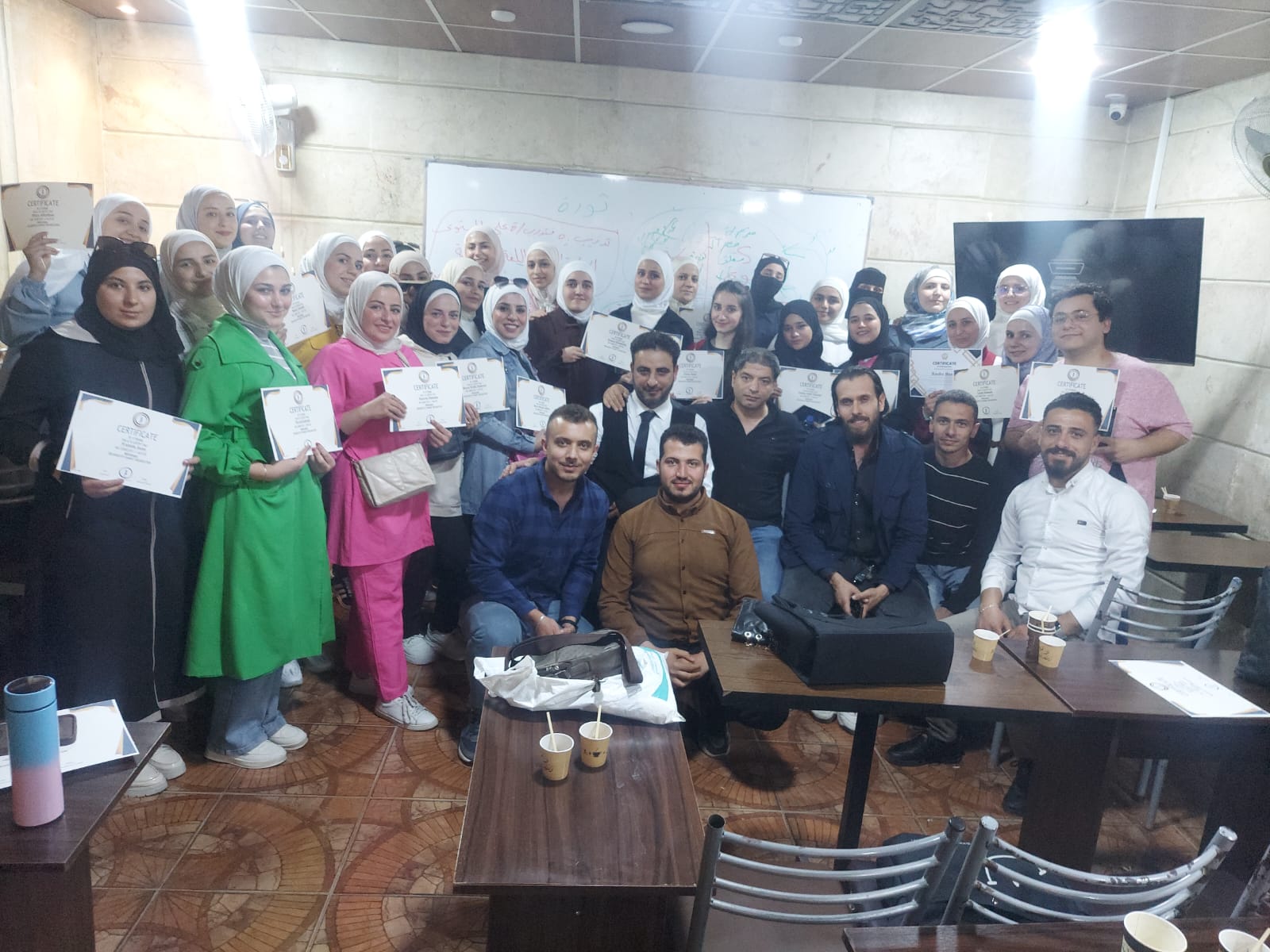
Since the collapse of the Assad regime, FANARAT is leveraging their collaborative and community-led approach—as well as their extensive experience operating under Islamist governance—to expand their efforts to Damascus.
By forging connections with other civil society organizations throughout Syria and the wider West Asia and North Africa region, they are helping to build a sustainable and inclusive movement that amplifies women’s voices and integrates gender justice into the broader struggle for democracy and human rights.
Civil Society Scales Up
For the first time, these diverse groups—with their varied experiences—are beginning to work openly and explore avenues for collaboration. This collective effort signals a major step forward for Syrian civil society, as they develop a shared vision for healing, rebuilding, and empowering communities throughout the country.
But even as civic space widens in Syria, significant challenges remain. Frequent outbursts of localized sectarian violence have roiled the country. The government’s tolerance for activism is unpredictable and uneven. And promised democratic reforms have yet to materialize.
While organizations like HOPEM and FANARAT have years of experience adapting to constantly evolving conditions, recently formed grassroots groups are learning on the fly how to operate in a volatile environment. That’s where Mari Research and Development (MRD)—a newer grantee partner—comes in.
With support from FGHR, MRD helps grassroots groups develop their internal systems, including governance, finance, monitoring and evaluation, and human resources. Since 2018, MRD has equipped community-led organizations across northeast Syria, the Syrian diaspora, and beyond with these critical technical capacities. Their most recent initiative is an incubator in Damascus, where emerging groups can learn to sustainably scale their organizations.
MRD’s technical capacity-building might not make headlines or mobilize movements. But their behind-the-scenes support helps community-led start-ups grow into mature organizations. That’s the kind of intentional work that builds a strong civic sector—with the collective power to effect real change.
From Oppression to Opportunity
When we began funding in Syria in 2021, we wanted to ensure that the spark of civil society would endure no matter the outcome of the war.
With the vast majority of activists killed or exiled, and most human rights advocacy happening outside of the country, we aimed to seed a new generation of activism at the grassroots level by supporting initially disparate groups holding authorities accountable across a range of issues and gradually connecting them into a nascent movement.
Enabled by our community of donors and allies, we built close relationships with groups from every region of the country and across the entire spectrum of Syrian civil society. We were one of just a few international funders willing to take the risks that entailed. But sustaining human rights movements under threat, even in the face of overwhelming adversity, is a core tenet of our approach. Because when opportunities for change finally arise, well-resourced activists will be ready to respond.

For years, such opportunities were few and far between in Syria. But today, in the aftermath of Assad’s downfall, the courage and resolve of civil society is on full display.
With our support, long-time grantee partners like HOPEM and FANARAT—founded and funded during the war—have not only endured but emerged as movement leaders. And new groups, with the help of experienced organizations like MRD, are just getting started.
As the country begins down the long road toward healing and rebuilding, there is hope that these diverse groups can shape a future that is just, peaceful, and inclusive of all Syrians. Working together in solidarity, they are the roots of a growing movement—and the foundation for lasting progress.
Sign up to our newsletter
Add some impact to your inbox.
By submitting this form, you accept that your data will be stored and processed in line with our Privacy Policy.